the byline, dates and any bracketed figures in this guide are sample values.
Panel types
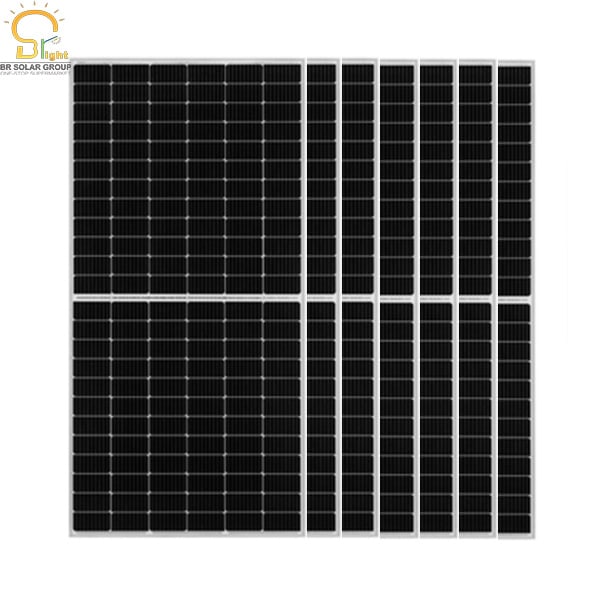
Almost every residential panel sold today is monocrystalline silicon. The meaningful differences are cell architecture, efficiency and how the panel behaves in heat.
| Type | Efficiency | Cost | Where it makes sense |
|---|---|---|---|
| Monocrystalline | 20–23% | Most common | Best all-round choice for a home roof |
| TOPCon (N-type) | 22–23.5% | Higher | Tight roofs and hot climates; slower degradation |
| Bifacial | 20–23% front | Higher | Ground mounts and white roofs with reflected light |
| Polycrystalline | 15–17% | Lower | Rarely worth it now — needs more roof for the same watts |
Do not buy on wattage alone. A 600W panel is physically larger than a 450W panel; what matters is watts per square foot and the temperature coefficient, which tells you how much output drops as the panel heats up. A hot roof in Arizona punishes a poor coefficient.
Inverter types
The inverter decides what your system can do later. It is the component most often downgraded to hit a price.
| Type | Layout | Strengths | Trade-offs |
|---|---|---|---|
| String inverter | One unit for the array | Lowest cost, simple | Shade drags the whole string |
| Microinverters | One per panel | Panel-level monitoring, shade tolerant | Higher cost, more roof electronics |
| Hybrid inverter | One unit plus battery terminals | Storage now or later, backup circuits | Slightly higher cost than string |
| Off-grid inverter/charger | One unit plus battery bank | Works without a utility | Needs generator or careful sizing |
If you plan to add a battery within a few years, buy a hybrid inverter now. Replacing a string inverter later usually costs more than the difference at the start.
Batteries
Residential storage is almost entirely lithium iron phosphate (LFP) today. It is heavier than nickel manganese cobalt (NMC) but more tolerant of being held at full charge and has a longer cycle life — the right trade for a wall-mounted home battery.
- Usable kWh is what matters, not nameplate. A 13.5kWh battery may deliver 13.5kWh usable; check the datasheet.
- Continuous power limits what you can run at once. A 5kW battery cannot start a 5-ton air conditioner without surge capacity.
- Closed-loop communication with your inverter is worth more than a small price difference; it prevents charging errors and warranty disputes.
- Temperature matters. Most LFP units are rated for outdoor installation within a range; cold climates may need a conditioned space.
Racking and the parts people forget
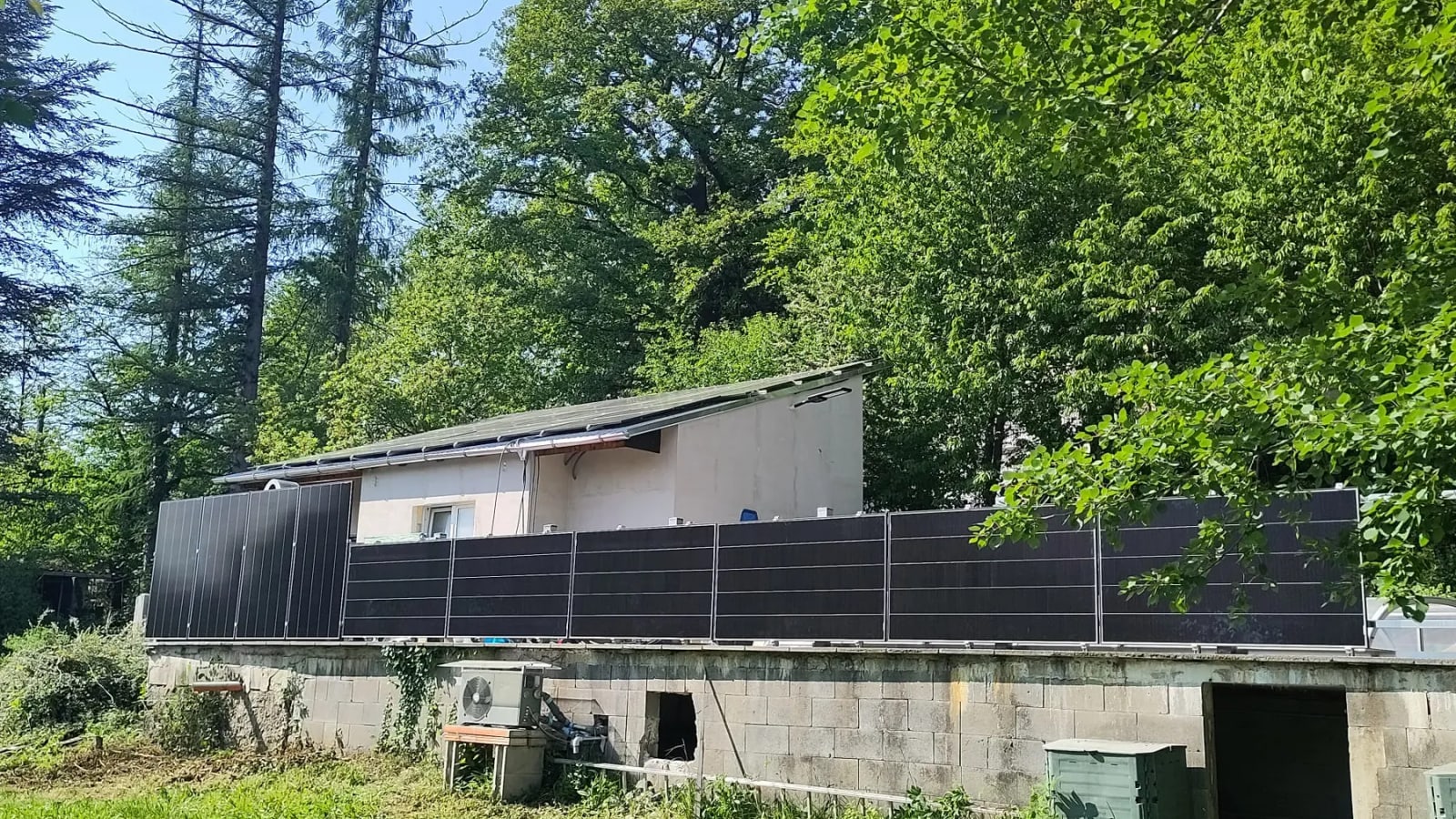
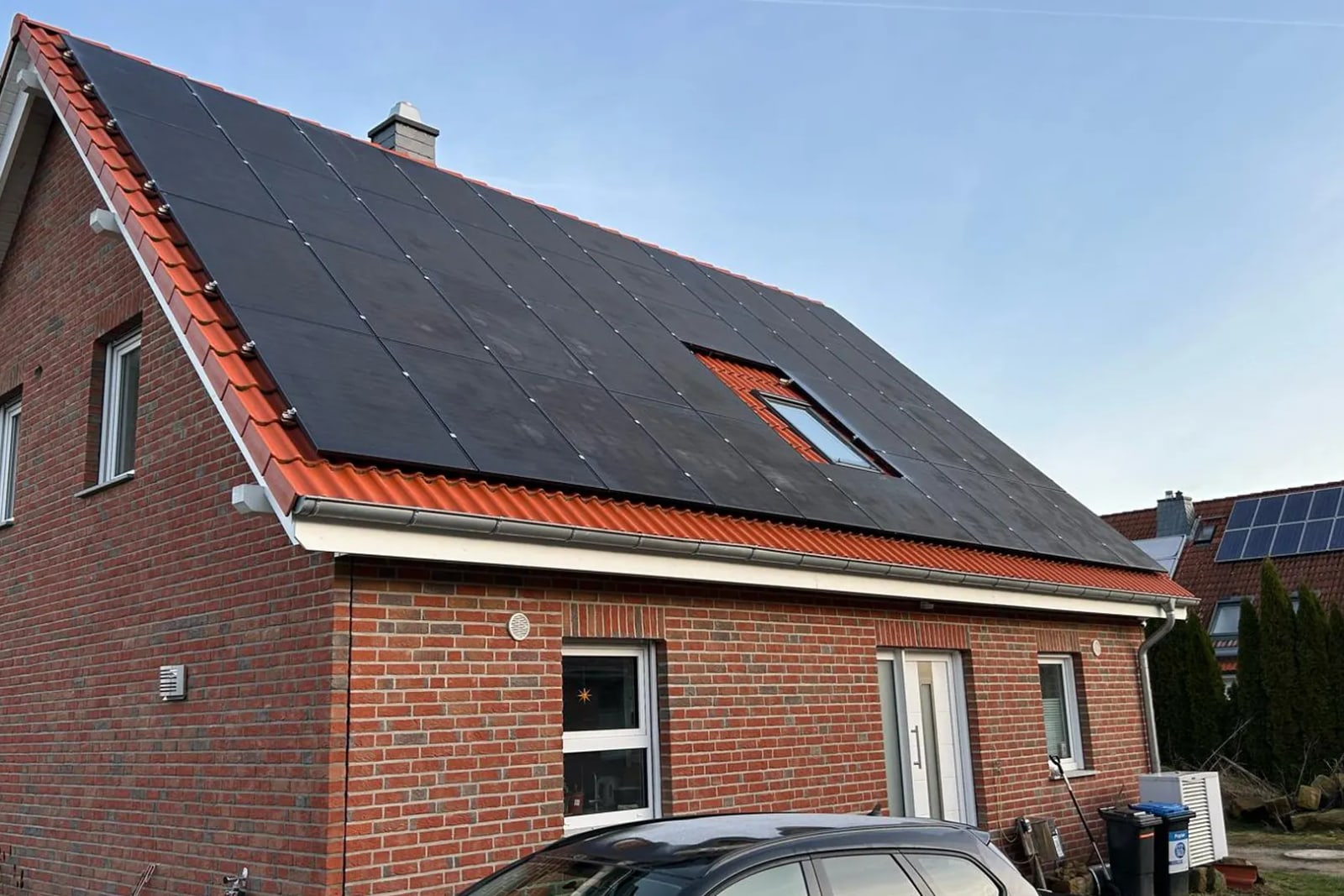
The mounting system carries the array for 25 years and is engineered for your wind and snow load. Asphalt shingle, standing seam metal, tile and flat roofs each need different clamps and flashing. A ground mount needs a foundation design, not just posts.
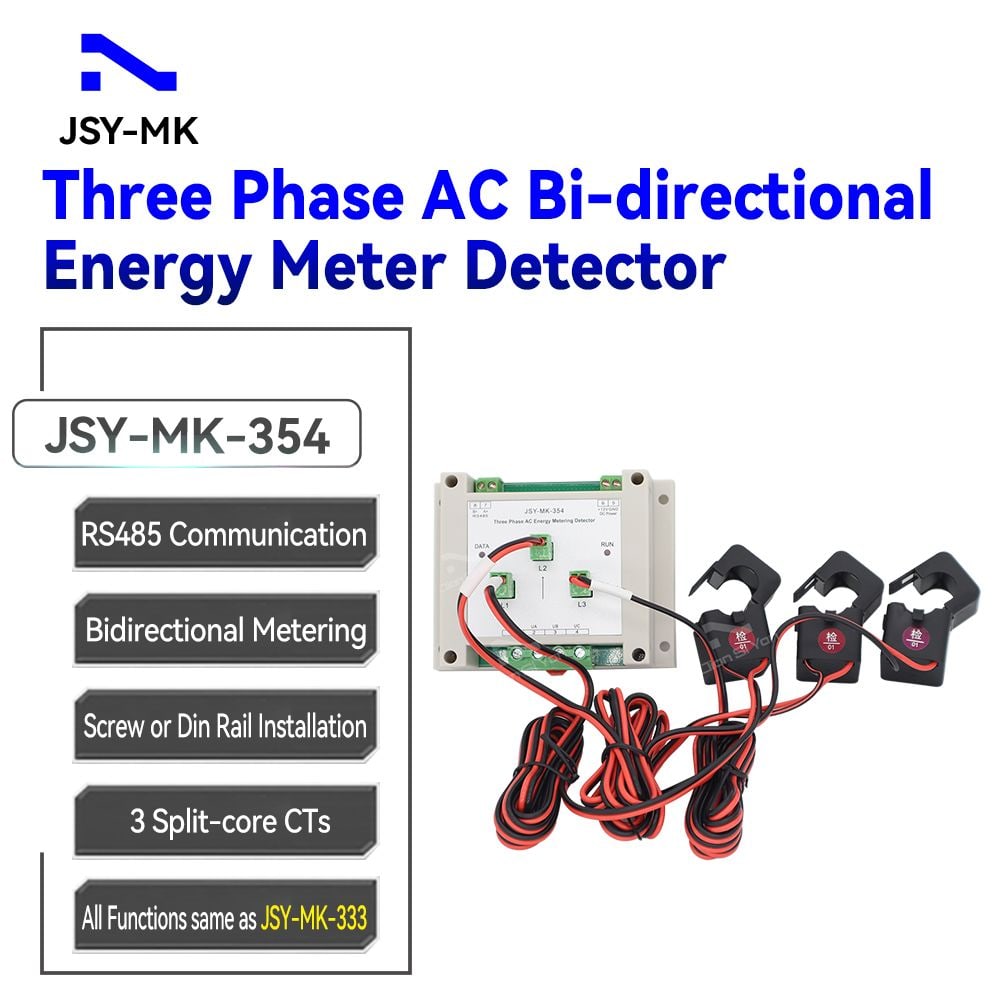
Also budget for: rapid shutdown (required on many residential roofs), DC and AC disconnects, surge protection, conduit, and a monitoring gateway if Wi-Fi does not reach the inverter.
What to choose, in one paragraph
For a typical grid-tied home: 450–550W monocrystalline panels, microinverters or a hybrid inverter if storage is likely, LFP battery if you want backup, and racking rated for your local loads. For a cabin or off-grid build: 550W+ panels, an off-grid inverter/charger, and a battery bank sized to your worst winter week rather than your annual average.
Questions we get about this
Rarely. The rear gain needs reflected light and an open mounting height. On a shingled roof the benefit is small; on a ground mount over a light surface it can be real.
Microinverters win on shade, panel-level monitoring and simple expansion. String inverters win on cost and central serviceability. Neither is wrong; the roof decides.
Most carry a 25-year performance warranty to 80–87% of rated output. Real-world degradation is typically 0.3–0.5% a year, so a 25-year-old panel often still makes over 85% of its original output.